What Nobody Tells You About College Football's 2026 Season Changes
Indiana's stunning Peach Bowl victory against Oregon in December 2025 marked a turning point that nobody saw coming. The Hoosiers, a program historically considered an afterthought in national champio...
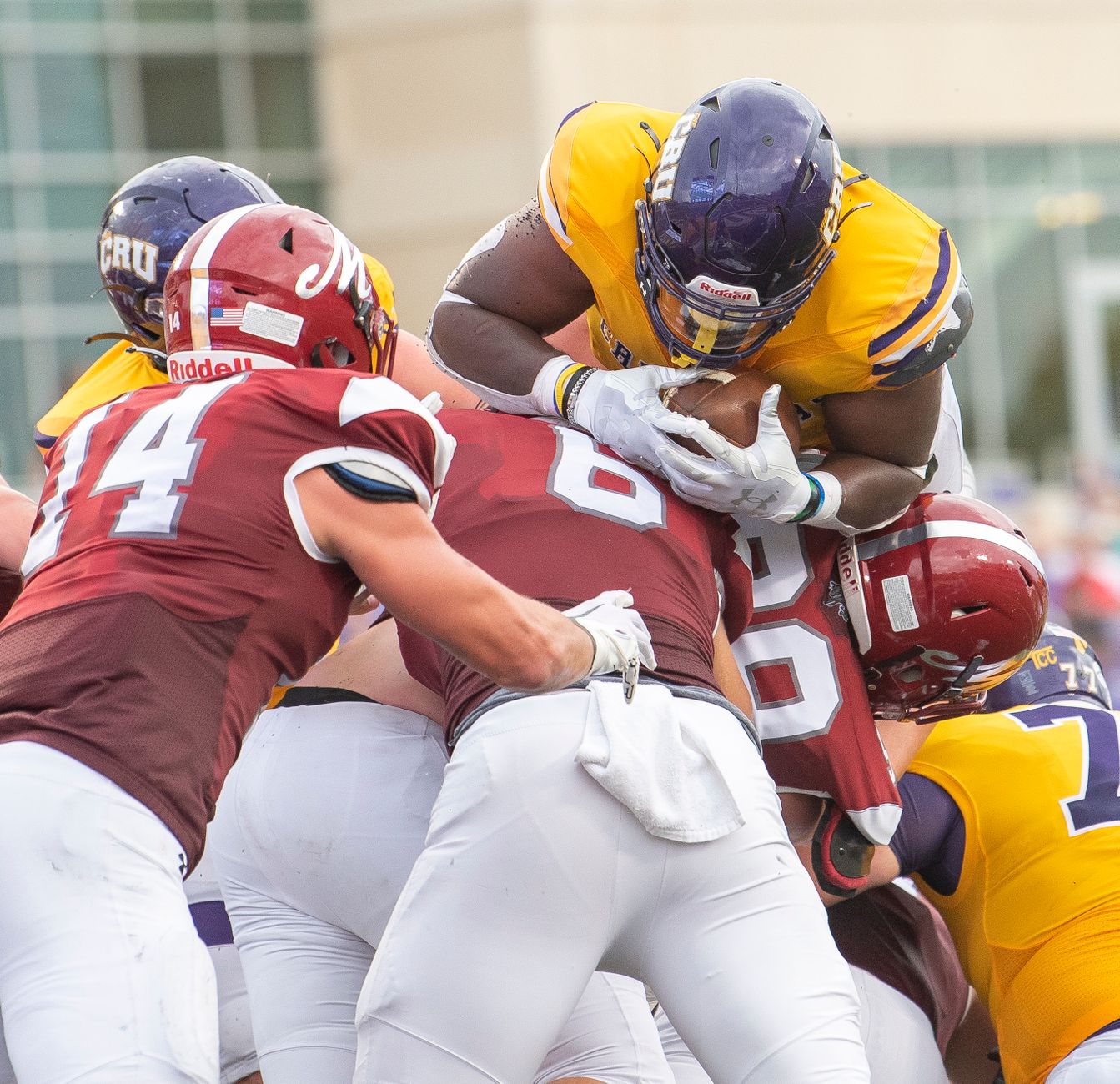
What Nobody Tells You About College Football's 2026 Season Changes
Indiana's stunning Peach Bowl victory against Oregon in December 2025 marked a turning point that nobody saw coming. The Hoosiers, a program historically considered an afterthought in national championship conversations, dismantled one of the nation's top-ranked teams with a decisive 27-21 win that sent shockwaves through the college football landscape. This triumph arrived precisely as the sport entered its most transformative era in decades. The 2026 season kicks off on August 22 and runs through January 27, 2027, when the College Football Playoff National Championship returns to Allegiant Stadium in Las Vegas. Football Insights brings you exclusive coverage of every conference shakeup, playoff format adjustment, and roster movement that will define this pivotal season.
Photo by David Morris on Pexels
Before 2025: How College Football Worked
For decades, college football operated within a relatively rigid framework. The Football Bowl Subdivision (FBS) encompassed 10 conferences: the ACC, American Athletic Conference, Big 12, Big Ten, Conference USA, FBS Independents, Mid-American Conference (MAC), Mountain West, Pac-12, and SEC, alongside the Sun Belt. Each conference ran its own championship race, with winners earning bowl game invitations that determined national rankings through the BCS system and later the College Football Playoff selection committee.
The system functioned on a simple premise: win your conference, accumulate quality victories against ranked opponents, and hope the committee favored your strength of schedule. Teams like Alabama, Ohio State, and Clemson dominated the top tier, collecting national titles while smaller programs fought for recognition. Scheduling followed predictable patterns—conference rivals filled most slates, with non-conference matchups serving as early-season tune-ups against lesser competition.
Conference realignment remained minimal. Schools maintained regional rivalries that spanned generations. The Pac-12 featured West Coast powerhouses. The Big 12 anchored the Midwest. Travel burdens stayed manageable. Student-athletes faced fewer transfer opportunities, creating roster stability but also limiting player movement when coaches departed. The transfer portal existed but rarely disrupted program trajectories dramatically.
Bowl games represented the ultimate reward. The College Football Playoff selected just four teams, creating intense debates about who deserved inclusion. Teams ranked fifth or sixth often watched from home despite impressive seasons. The selection process drew constant criticism from fans, analysts, and university administrators who felt the system excluded deserving programs.

Photo by Maui Media on Pexels
The 2026 Shift
The 2026 college football season arrives bearing the weight of fundamental restructuring. Conference realignment accelerated beyond anyone's predictions. The Pac-12 essentially dissolved, with flagship programs fleeing to the Big Ten and SEC. The Big 12 absorbed new members while maintaining its identity. The ACC experienced defections, leaving Commissioner Jim Phillips to navigate uncharted waters as television contracts worth billions hang in the balance.
The College Football Playoff expanded to include 12 teams starting with the 2024 season, but the 2026 format introduces new wrinkles. Selection criteria now weight conference championship appearances more heavily. The selection committee meets weekly beginning in October, releasing updated rankings every Tuesday. This transparency shift aims to reduce controversy while giving programs concrete goals beyond simply winning.
Television deals reshaped the entire ecosystem. NBC secured broadcast rights for select games, joining ESPN's dominant coverage. CBS Sports Network (CBSSN) broadcasts mid-major matchups that previously received minimal national attention. Kickoff times shifted globally—several 2026 games begin at 3:00 AM Eastern Time to accommodate international broadcast windows, including a North Carolina versus TCU clash at Aviva Stadium in Dublin, Ireland on August 30.
[Internal Link: conference realignment impact analysis]
The transfer portal transformed from novelty to necessity. During the 2025-2026 offseason, over 32,000 football players entered the portal seeking new opportunities. Programs now treat roster construction as a year-round endeavor, with coaches monitoring movement daily. NIL (Name, Image, Likeness) collectives fundraise aggressively, creating bidding wars for elite talent. The average Power Five transfer now commands packages exceeding $500,000 annually.
What Changed for Players
Student-athletes in 2026 navigate complexities previous generations never imagined. The semester-long sitting-out period after transferring disappeared. Players who enter the transfer portal now face a 30-day recruitment window before committing elsewhere. Immediate eligibility applies for graduates transferring to programs offering degrees unavailable at their previous schools. This acceleration creates roster churn that coaches struggle to manage while maintaining team chemistry.
Scheduling demands intensified dramatically. Conference expansion means longer travel distances for road games. USC now faces regular-season matchups against Rutgers and Minnesota, journeys spanning thousands of miles from Los Angeles. Recovery windows between games shrink as programs chase television revenue through Thursday night appearances. Medical staff report increased soft-tissue injuries during condensed weeks.
The College Football Playoff expansion created additional playing opportunities for programs historically locked out of championship contention. Teams seeded seventh through twelfth now host first-round games on campus, generating revenue that transforms athletic department budgets. Jackson State, under coach Deion Sanders, leveraged playoff access to recruit elite prospects who previously dismissed historically Black colleges and universities as stepping stones.
Mental health awareness finally penetrated football culture. The NCAA mandated counseling services for all programs, with at least one licensed therapist assigned to each roster of 85 scholarship players. Head coaches now face mandatory training on recognizing anxiety and depression symptoms. The suicide of a prominent quarterback in 2024 catalyzed these changes, forcing administrators to prioritize wellbeing alongside winning.

Photo by Pixabay on Pexels
What This Means Now
The 2026 season signals that college football has officially entered its entertainment era. Revenue projections exceed $2.1 billion annually for the SEC and Big Ten combined, dwarfing all other conferences. Smaller leagues fight for survival, with Mountain West and Sun Belt programs facing difficult decisions about whether to accept reduced television exposure or merge into super-conferences.
Betting interest reached unprecedented levels. Legal sports gambling now operates in 38 states plus Washington D.C., generating handle exceeding $120 billion annually. Football Insights tracks line movements across regulated platforms, providing real-time odds analysis for every FBS matchup. The 2026 opening lines released in June showed USC installed as 35.5-point favorites against San Jose State, with an over/under of 57.5 points.
Coaching salaries spiraled beyond comprehension. The average Power Five head coach earns $7.8 million yearly, with top programs paying substantially more. Alabama's head coach signed an extension worth $11.5 million annually through 2030. Assistant coaches command unprecedented salaries—offensive coordinators at elite programs now earn more than most head coaches in other sports. Budgets balloon for support staff, analysts, and recruiting coordinators.
Fan engagement evolved through technology. Virtual reality experiences let supporters watch games from quarterback perspectives. Mobile apps deliver real-time statistics, injury reports, and NIL deal tracking. Social media presence directly influences recruiting rankings, forcing programs to maintain active digital footprints. The traditional Saturday afternoon tailgate now competes against streaming options that deliver every game directly to smartphones.
[Internal Link: betting odds and predictions]
Three Predictions for Next Quarter
Prediction One: The SEC dominates the inaugural 12-team playoff bracket. With eight automatic qualifiers reserved for conference champions and at-large bids filling remaining spots, the SEC's depth creates carnage. At least four SEC teams finish within the top twelve national rankings. Georgia, Texas, and Ole Miss establish themselves as clear favorites while Auburn and Tennessee emerge as dangerous upset threats. The conference's television contract negotiations for 2028+ strengthen as ratings shatter records.
Prediction Two: Transfer portal chaos produces three surprise top-fifteen finishes. Programs that master roster construction through strategic portal acquisitions outperform expectations. Indiana's championship formula spreads throughout the Big Ten. Schools like Kansas State, Colorado, and Miami leverage NIL resources to poach difference-makers from struggling programs. These teams post combined records of 34-8 through mid-November, forcing selection committee adjustments that favor proven talent over recruiting rankings.
Prediction Three: Quarterback injuries determine the national championship. Contact injuries during non-conference play eliminate two Heisman Trophy frontrunners by mid-October. The playoff field features starting quarterbacks with fewer than 15 career starts. Notre Dame's Dante Moore, Oregon's incoming freshman phenom, and Texas's dual-threat sophomore anchor the championship conversation. Sportsbooks adjust futures odds weekly as medical reports circulate through league sources.

Photo by David Morris on Pexels
Frequently Asked Questions
Q: How does the 2026 College Football Playoff selection process work?
A: The selection committee chooses 12 teams using conference championships, strength of schedule, and head-to-head results. Eight automatic berths go to conference champions from the ACC, Big 12, Big Ten, SEC, and five highest-ranked non-automatics. Remaining spots fill through at-large bids. Rankings release every Tuesday starting in October. First-round games occur December 6-12, with quarterfinals following through the national championship on January 25, 2027.
Q: What conferences dominate college football in 2026?
A: The SEC and Big Ten generate over 80% of total conference revenue, exceeding $2.1 billion combined annually. The ACC, Big 12, and Pac-12 (now significantly smaller) form the second tier. Mountain West, Sun Belt, and Group of Five conferences fight for remaining television exposure and playoff access through one guaranteed bowl spot reserved for the highest-ranked non-automatic qualifier.
Q: How has the transfer portal changed college football rosters?
A: Over 32,000 players entered the transfer portal during the 2025-2026 cycle. The 30-day recruitment window and immediate eligibility for graduate transfers created constant roster churn. Programs now treat roster management as a continuous process rather than seasonal task. Average NIL packages for Power Five transfers exceed $500,000 annually, funding complex through alumni collectives and corporate sponsorships.
Q: What betting markets are most popular for college football?
A: Point spreads dominate wagering action, with games like USC versus San Jose State (USC -35.5) attracting significant handle. Over/under totals, typically ranging from 47-70 points for FBS matchups, generate substantial interest. Proposition bets on Heisman Trophy winners, conference champions, and playoff participants account for 35% of total college football betting volume during peak season weeks.
Q: When does the 2026 college football season officially begin?
A: The 2026 season begins August 22 with opening-week games through September 7. Conference play intensifies starting Week 3. The regular season concludes December 5, with bowl games running through the CFP National Championship on January 25, 2027, at Allegiant Stadium in Las Vegas. Way-too-early top-25 rankings already circulated in January 2026, generating offseason engagement across media platforms.
Q: Why did Indiana's 2025 Peach Bowl victory matter so much?
A: Indiana's 27-21 victory over Oregon marked the first national semifinal appearance in program history. The Hoosiers, ranked outside the top 25 for most of their existence, demonstrated that playoff expansion creates genuine opportunities for programs previously excluded from championship conversations. This upset reshaped recruiting narratives and proved that well-coached teams with strong quarterback play can compete against traditional blue bloods regardless of historical pedigree.
Q: How do conference realignments affect game schedules?
A: Travel distances increased dramatically for programs joining new conferences. USC now faces regular-season games against teams thousands of miles from Los Angeles, including matchups against Rutgers, Minnesota, and Maryland. Geographic rivalries dissolved as traditional opponents separated into different leagues. Thursday and Friday night games increased to accommodate television windows, creating compressed recovery windows that medical staff cite as injury risk factors.
End of transmission.
Football Insights • Neon Protocol • System Active